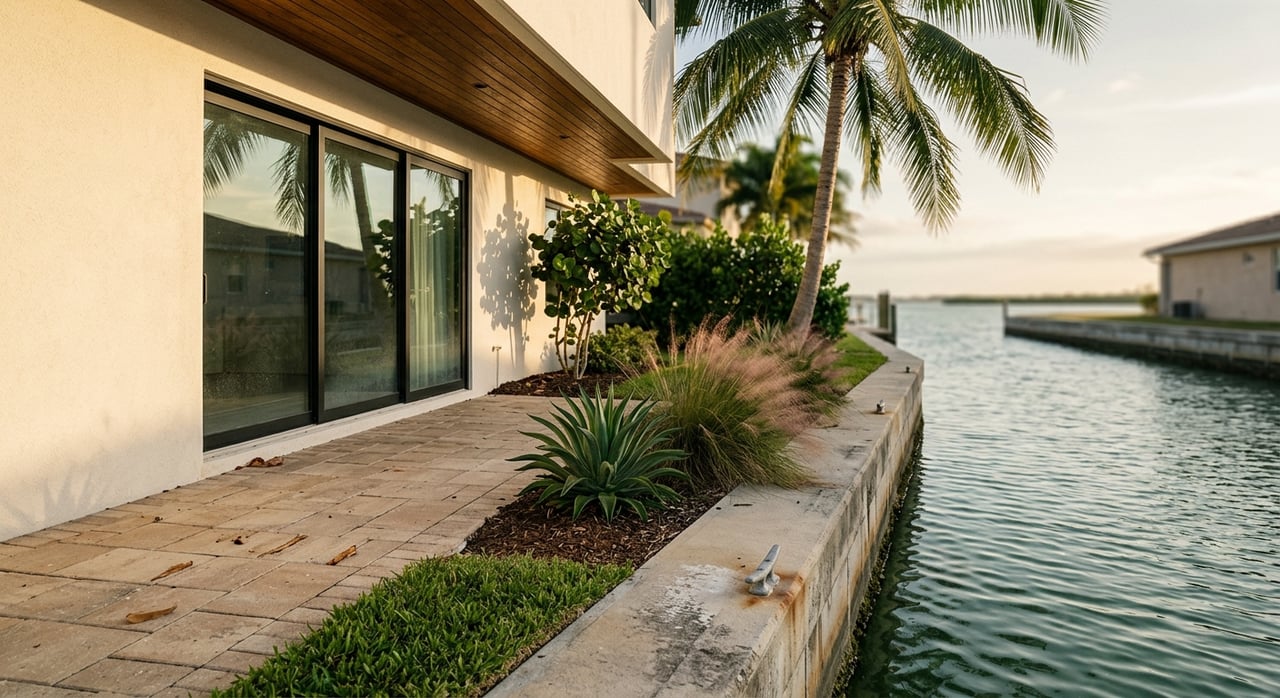
Dreaming about a backyard dock and water views in Cape Coral? You are not alone. Canal-front homes are a huge part of the city’s appeal, but not every canal property offers the same lifestyle, boating access, or maintenance needs. If you are thinking about buying here, it helps to know what separates one canal home from another before you make an offer. Let’s dive in.
Why Cape Coral Canal Homes Stand Out
Cape Coral’s canal network is one of the city’s defining features. According to city information, Cape Coral has more than 400 miles of canals, including over 150 linear miles of saltwater canals and over 250 linear miles of freshwater canals.
Those canals are about more than just scenery. The city says they support waterfront living and recreation, help protect homes from floods, supply irrigation water, and support wildlife. For you as a buyer, that means canal living can offer a unique blend of lifestyle and infrastructure.
Freshwater vs Saltwater Canals
One of the most important things to understand is that not all canal homes are the same. In Cape Coral, the canal category can shape how you use the property and what ownership looks like over time.
Freshwater Canal Living
The city explains that the freshwater canal system plays a stormwater and flood-control role. These canals collect runoff, retain water, and gradually transfer it to tidal canals.
For buyers, freshwater canal homes are generally better suited to inland activities like kayaking, calm boating, and fishing. They can still deliver a peaceful waterfront setting, but a freshwater canal address does not automatically mean open-water boating access.
Saltwater Canal Living
Saltwater canal properties are the category most often associated with routes that connect to the Caloosahatchee River and the Gulf. City boating and launch information shows that some saltwater launch points connect to the river or Matlacha Pass.
If your goal is to keep a boat with a route toward open water, this is the distinction you will want to verify early. A listing may say “canal home,” but the type of canal matters much more than the label alone.
Why Canal Access Should Be Verified
If boating is part of your plan, do not assume access based on photos or marketing language. Cape Coral offers official maps and GIS tools that show freshwater and saltwater canals, streets, parcels, zoning, and land use.
These tools are a smart starting point when you want to confirm what kind of canal is behind a home. They can help you ask better questions before you fall in love with the view.
Lot Layout Can Affect Usability
Two waterfront homes can look similar online and still offer very different day-to-day experiences. In Cape Coral, lot shape and canal position can affect dock placement, turning space, and how a boat fits along the shoreline.
The city’s marine-improvement permit application shows how specific this can get. It asks whether the parcel is a corner lot, what canal type it has, whether it is on the river or Spreader Canal, and how far a dock will project into the canal.
Why This Matters for Buyers
This tells you something important: waterfront usability is highly site-specific. A home’s value is not just tied to being on a canal, but also to how that lot functions for your goals.
If you want room for a boat lift, a larger vessel, or a certain dock setup, those details should be reviewed carefully during your due diligence. Small configuration differences can make a big difference in convenience.
Seawalls Are a Major Part of Ownership
Shoreline infrastructure is one of the biggest issues to review when buying a canal home in Cape Coral. The city’s dwelling requirements state that a seawall is required before certificate of occupancy for property on saltwater canals, while freshwater canal properties may allow an alternative seawall.
The city also requires engineering documentation for seawall work under its standards. That means seawall condition, age, repair history, and permit records deserve close attention.
Questions to Ask About the Seawall
Before you buy, ask for:
- Seawall age
- Maintenance and repair history
- Any engineer reports
- Permit records for past work
- Information about any planned or needed repairs
A beautiful waterfront lot can come with future shoreline costs, so this step is too important to skip.
Dock Rights and Boat-Slip Issues
Another detail buyers sometimes overlook is whether there are any transferred boat-slip rights or dock-related restrictions tied to the property. Cape Coral’s marine-improvement application notes that transferred boat-slip rights can be perpetual and may affect future owners.
That makes documentation especially important at closing. If a parcel has any rights, restrictions, or prior agreements tied to waterfront use, you will want those records reviewed early and clearly.
Flood Information Matters
Waterfront living and flood awareness go hand in hand. Cape Coral says residents can use Forerunner to look up a property’s flood zone, Base Flood Elevation, Design Flood Elevation, and existing elevation certificates.
Before making an offer, verify flood information by address. This gives you a clearer picture of the property’s elevation-related details and helps you make a more informed decision.
Canal Living Comes With Ongoing Maintenance
Canal living can be rewarding, but it also comes with upkeep that inland buyers may not expect. Cape Coral’s waterfront guidance notes considerations such as algae, shoreline vegetation rules, birds and marine wildlife, and alligators.
These realities do not make canal homes less appealing. They simply mean your maintenance routine and ownership experience may look different from a non-waterfront property.
Citywide Canal Maintenance Also Plays a Role
The city says it is advancing a citywide dredging program to help maintain navigability and safe boating access. It also notes that stormwater fees are collected on annual property tax bills to support this work.
For buyers, this is a reminder that canal ownership is connected to broader infrastructure and maintenance systems across the city. It is wise to factor those realities into your long-term budget and expectations.
A Smart Buyer Checklist for Cape Coral Canal Homes
If you are comparing waterfront homes, keep this checklist handy:
- Confirm whether the canal is freshwater or saltwater
- Verify whether the property has the type of boating access you want
- Review official city maps and GIS parcel tools
- Check flood zone, Base Flood Elevation, and elevation records by address
- Ask about seawall age, condition, permits, and engineer reports
- Review dock placement, lift placement, and rip-rap details
- Ask whether any boat-slip rights or restrictions transfer with the property
- Consider canal maintenance and stormwater-related costs
- Think through how much upkeep you want as an owner
The Bottom Line on Cape Coral Canal Living
Cape Coral canal living is not one uniform product. The canal type, lot layout, shoreline condition, dock setup, flood exposure, and maintenance profile all shape what ownership will feel like after closing.
That is why buying the right canal home starts with asking the right questions. When you understand the property beyond the photos, you can choose a home that truly fits your lifestyle, priorities, and comfort level.
If you want expert guidance as you compare waterfront homes in Southwest Florida, Miki Matrullo offers the kind of hands-on support that helps you move forward with clarity and confidence.
FAQs
What is the difference between freshwater and saltwater canals in Cape Coral?
- Freshwater canals are part of the city’s stormwater and flood-control system and are generally better suited to inland boating, kayaking, and fishing, while saltwater canals are the category more commonly associated with routes toward the river and Gulf.
Do all Cape Coral canal homes have Gulf access?
- No. A canal-front home does not automatically have Gulf access, so you should verify the canal type and route using Cape Coral’s official maps and GIS tools.
What should buyers check before buying a Cape Coral canal home?
- Buyers should confirm canal type, review flood information, ask about seawall condition and permits, verify dock and lift details, and check for any boat-slip rights or restrictions tied to the parcel.
Why is the seawall important for a Cape Coral waterfront property?
- The seawall affects shoreline stability, maintenance needs, and future costs, and city guidance shows that seawall work is regulated and may require engineering documentation.
How can buyers verify flood details for a Cape Coral canal property?
- Cape Coral says residents can use Forerunner to check a property’s flood zone, Base Flood Elevation, Design Flood Elevation, and existing elevation certificates by address.
