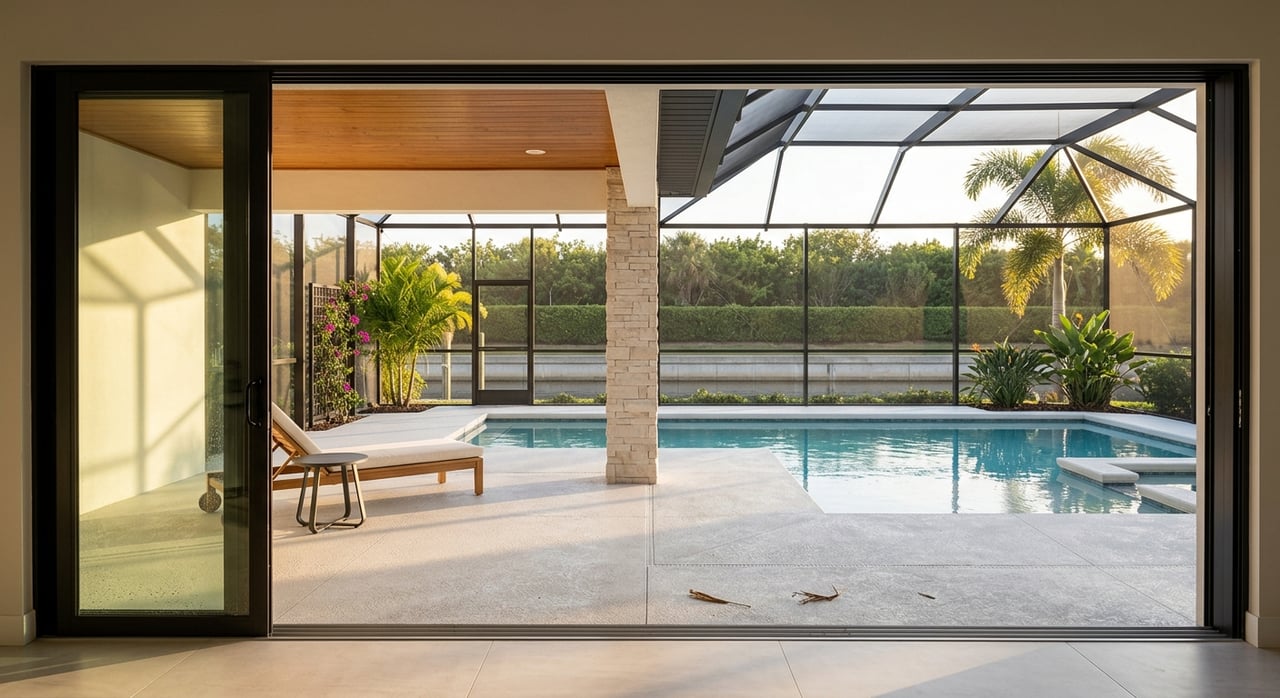
If you are thinking about a move to Southwest Florida, Port Charlotte may stand out for a simple reason: it offers a Gulf Coast lifestyle that feels practical, relaxed, and rooted in everyday living. Instead of a fast-paced beach town feel, you will find a community shaped by homeownership, water access, neighborhood subdivisions, and daily convenience. This guide walks you through what living in Port Charlotte is really like, from recreation and housing to commuting and storm readiness. Let’s dive in.
What daily life feels like
Port Charlotte reads as a settled, suburban community with a strong homeowner base. According to U.S. Census QuickFacts for Port Charlotte CDP, 83.2% of housing units are owner-occupied, and 87.0% of residents were living in the same house one year earlier.
That stability helps shape the day-to-day experience. You are more likely to find established neighborhoods and familiar routines than a highly transient rental market. The same Census data also shows that 33.1% of residents are age 65 or older, which gives the area a noticeable retiree tilt while still supporting a broad mix of homeowners, seasonal buyers, and local residents.
Port Charlotte has a water-oriented lifestyle
One of the biggest draws of living in Port Charlotte is how naturally water access fits into normal life. This is not just a place you visit for a weekend. It is a place where boating, fishing, paddling, and sunset views can become part of your regular routine.
Charlotte County Parks and Recreation highlights many of the outdoor features that define the area, including beaches, fishing piers, boat ramps, kayak launches, playgrounds, and conservation lands. That makes Port Charlotte especially appealing if you want outdoor options that feel accessible and easy to use.
Port Charlotte Beach Park and local favorites
A standout local destination is Port Charlotte Beach Park, which offers a bayfront beach setting with a fishing pier, boat ramp, kayak launch, swimming pool, picnic areas, playground, and recreation center. It is the kind of place that supports both a casual afternoon outing and a more active weekend on the water.
Bayshore Live Oak Park adds another layer to the outdoor lifestyle with harbor views, piers, promenade space, and a canoe and kayak launch. If you enjoy simple waterfront routines, like an evening walk or a quiet launch into the harbor, these amenities matter.
Paddling and boating are part of the routine
For buyers who picture a coastal lifestyle, Port Charlotte often makes the most sense when viewed as a water-oriented suburban community rather than a resort-centered beach market. The county’s Blueway Trails program highlights paddling opportunities along 219 miles of coastline, reinforcing how connected the area is to its natural surroundings.
That local pattern influences how many people spend their free time. You may find that daily life here leans more toward practical access to canals, launches, parks, and harbors than toward a dense entertainment district or tourist corridor.
Shopping, errands, and healthcare are convenient
When people ask what everyday convenience looks like in Port Charlotte, the answer usually centers on the Murdock and US-41 corridor. Rather than a single traditional downtown, many shopping, service, and healthcare needs are handled along this broader commercial area.
According to the county’s Murdock Village Community Redevelopment Area information, the area is planned as a mixed-use destination with housing, employment, entertainment, retail, educational uses, and open space. That matters because it supports the practical side of daily living, from running errands to accessing services close to home.
Local healthcare is a major advantage
Healthcare access is a meaningful consideration for many buyers, whether you are relocating full-time, planning for retirement, or buying a seasonal home. Port Charlotte is home to AdventHealth Port Charlotte, a 247-bed full-service hospital open 24/7, and HCA Florida Fawcett Hospital, a 253-bed acute-care hospital that has served the county since 1975, as noted in the county’s Murdock Village overview.
For many households, nearby medical care is not just a convenience. It is part of what makes the area feel livable and established.
Getting around Port Charlotte
Port Charlotte is still a car-based community, and that is important to understand before you move. Charlotte County’s transportation planning describes the area as low-density and suburban, with private automobiles serving as the primary way people get around.
Major corridors identified in the county’s transportation planning materials include US-41/Tamiami Trail, Veterans Boulevard, Kings Highway, SR 776, and I-75. If you are choosing where to live, your day-to-day convenience may depend in part on how close you are to the routes you use most often.
Commute times and transit options
The U.S. Census QuickFacts report a mean travel time to work of 24.6 minutes. That gives you a useful snapshot of what a typical commute may look like in the area.
Transit options exist, but they are limited compared with larger metro areas. The county’s transportation plan notes that Charlotte County Transit provides shared-ride curb-to-curb service in Port Charlotte and currently operates free fares Monday through Friday from 6:30 a.m. to 6 p.m., with limited Saturday service and no Sunday service.
For eligible older adults and riders with disabilities, the county’s Transportation Disadvantaged program helps connect people to medical centers, pharmacies, grocery stores, and similar destinations. Even with those options, most buyers should expect to rely mainly on a car for everyday errands and appointments.
Housing in Port Charlotte
Housing in Port Charlotte is varied, but it still follows a strong subdivision pattern. Countywide data shows an 82% single-family and 18% multifamily split, according to Charlotte County housing data.
That mix helps explain why so much of the area feels residential and neighborhood-oriented. You will find a market shaped heavily by single-family homes, with additional options that may include multifamily housing and manufactured homes in designated districts.
Waterfront and subdivision living
Waterfront property is part of the local housing vocabulary. The same county housing data and regulations document references canal-maintenance easements, docks, davits, and seawalls, which shows how closely some parts of the housing market are tied to canal and waterfront living.
At the same time, Port Charlotte also includes a wide range of subdivision-based homes that appeal to buyers looking for a more traditional neighborhood setting. Depending on your goals, you may be deciding between convenience, water access, lot type, or long-term maintenance needs.
Home values compared with broader markets
The U.S. Census QuickFacts place the median owner-occupied home value in Port Charlotte at $269,900. The research also notes that this is below Florida’s median of $359,000 and the U.S. median of $332,700.
For many buyers, that relative affordability is part of Port Charlotte’s appeal. It can offer a Gulf Coast setting with a more attainable entry point than some other Florida coastal markets.
Storm readiness is part of living here
In Port Charlotte, storm preparation is not a side issue. It is a normal part of homeownership and coastal living.
Charlotte County Emergency Management explains that flooding can occur during summer thunderstorms because of low elevations and high water tables. The county is also divided into five evacuation zones, which is important information for anyone considering a move to the area.
What buyers should keep in mind
If you are comparing homes, especially waterfront or lower-lying properties, flood risk and evacuation planning should be part of your decision-making process. The county’s flood safety resources include a floodplain platform that allows property owners to look up FEMA flood zones and base flood elevations.
The county also notes that it does not have certified Red Cross shelters, though pet-friendly staffed shelters may open during hurricanes depending on storm conditions. Understanding these details early can help you choose a home and location with clear expectations.
Is Port Charlotte the right fit for you?
Port Charlotte tends to fit buyers who want a quieter Gulf Coast pace, practical amenities, and everyday access to water-based recreation. It may be a strong match if you like subdivision living, prefer a homeowner-oriented environment, and are comfortable with a car-centered routine.
It can also appeal to buyers who want options. Whether you are searching for a primary residence, a seasonal property, a new construction opportunity, or a home near the water, Port Charlotte offers a wide range of possibilities within an established Southwest Florida setting.
If you are weighing where to live in Port Charlotte or how the area compares with nearby markets, local guidance can make the process much clearer. Miki Matrullo brings the kind of local insight, hands-on support, and relationship-driven service that helps you match the right home to the right lifestyle.
FAQs
What is everyday life like in Port Charlotte, Florida?
- Everyday life in Port Charlotte feels suburban, water-oriented, and homeowner-focused, with established neighborhoods, practical shopping corridors, and easy access to boating, fishing, and parks.
Is Port Charlotte, Florida, a good place for waterfront activities?
- Yes. Port Charlotte offers access to boat ramps, fishing piers, kayak launches, harbor views, and Blueway Trails that support paddling and other casual waterfront recreation.
How do most people get around in Port Charlotte?
- Most people get around Port Charlotte by car, using major roads like US-41, Veterans Boulevard, Kings Highway, SR 776, and I-75, though limited shared-ride transit service is available.
What kinds of homes are common in Port Charlotte?
- Port Charlotte has a housing mix led by single-family homes, along with some multifamily and manufactured-home options, plus subdivision and waterfront properties tied to canals and boating access.
What should homebuyers know about flood risk in Port Charlotte?
- Homebuyers should know that flood readiness is part of living in Port Charlotte, and they should review evacuation zones, local flood conditions, and FEMA flood zone information when evaluating properties.
